
Building the Blueprint Powering India's E-Highway Transformation

India Benchmarking: Building a National E-Highway Network
India aims to develop an integrated E-Highway model focused on converting major national highways into an electric mobility network. The approach combines highway electrification with dedicated charging infrastructure, energy systems, digital monitoring and support services to create a scalable ecosystem for electric mobility.
The model is particularly focused on long-distance corridors and the simultaneous movement of passenger vehicles, buses and commercial freight, creating a broader infrastructure framework than conventional roadside charging alone.
- Key Benchmarking Insights
- Target: 5,500 KM E-Highways by 2030
- Average Cost: ~₹1 Cr per KM
- Active / Trialled E-Highway: 830 KM
- Primary Technology: 3G charging infrastructure
- Focus: Electric cars, buses, trucks and commercial vehicles
- Infrastructure Model: Integrated charging, energy and highway services

USA Benchmarking: Learning from Global E-Highway Programs
As part of its long-term transition toward electric mobility, the United States has developed one of the world's largest highway charging ecosystems, led by large-scale fast-charging networks and extensive deployment of electric vehicle infrastructure. The country's approach provides valuable insights into high-speed charging, long-distance EV travel and scalable highway electrification.
While the U.S. model is primarily based on high-power stationary charging rather than overhead or in-road electrification, its extensive highway charging network demonstrates how national-scale infrastructure can support passenger EVs and increasingly electric heavy-duty vehicles.
- Key Benchmarking Insights
- Target: 8,000 KM E-Highway infrastructure by 2030
- Average Cost: ~₹20 Cr per KM
- Active / Trialled E-Highway: ~1,300 KM
- Primary Technology: High-power fast charging
- Focus: Passenger EVs, electric trucks and long-distance mobility
- Infrastructure Model: Large-scale highway charging network
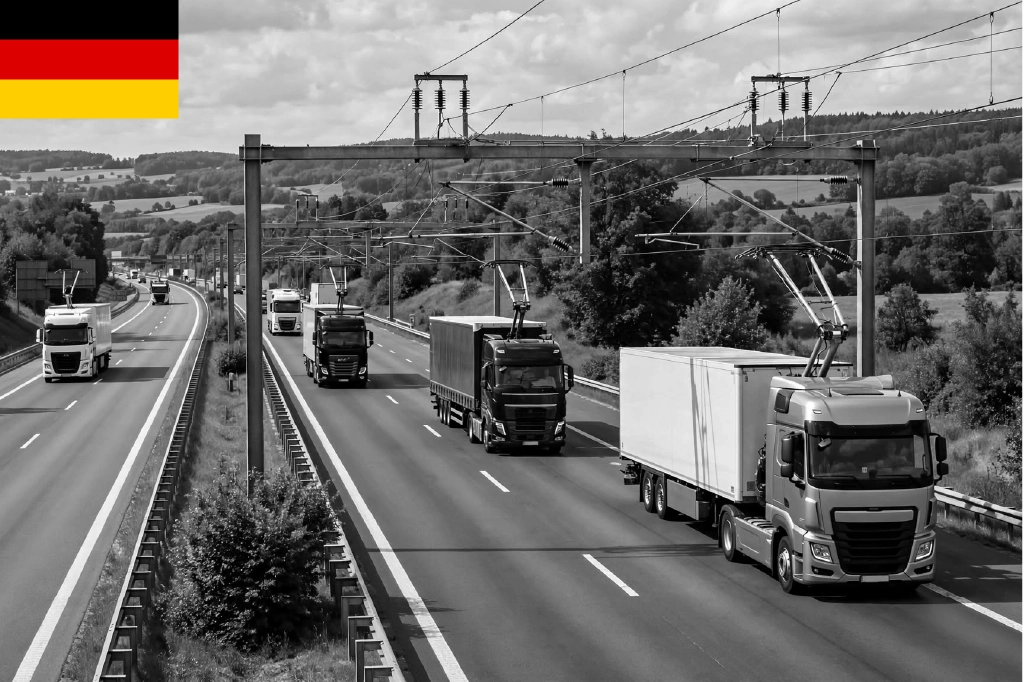
Germany Benchmarking: Learning from Global E-Highway Programs
Germany has been one of the leading countries in testing electric road systems for heavy-duty freight transport. Its E-Highway approach uses overhead electric lines that allow specially equipped trucks to draw electricity while travelling, reducing dependence on large onboard batteries for long-distance freight.
The German model provides valuable insights into overhead electrification systems, electric freight corridors, hybrid truck operation and the integration of electric infrastructure directly into high-volume highway routes.
- Key Benchmarking Insights
- Target: 4,000 KM E-Highways by 2030
- Average Cost: ~₹22 Cr per KM
- Active / Trialled E-Highway: ~25.4 KM
- Primary Technology: Overhead Electrification
- Focus: Electric & Hybrid Heavy Trucks
- Infrastructure Model: A5 Autobahn & B462 Highway

Sweden Benchmarking: Pioneering Electric Road Systems
Sweden has been an early pioneer in Electric Road Systems, testing technologies that allow vehicles to receive electricity while travelling. Its demonstration programmes have explored conductive rails and dynamic charging for both passenger and heavy-duty vehicles, providing practical experience in integrating electrification directly into road infrastructure.
The Swedish approach is particularly valuable for understanding dynamic charging, vehicle-road interoperability and the potential role of electrified corridors in reducing battery requirements for long-distance transport.
- Key Benchmarking Insights
- 2030 Ambition: ~2,000 KM of Electric Roads
- Infrastructure Cost: ~₹10–13 Cr per KM
- Demonstration Road: 1.6 KM
- Primary Technology: Conductive Dynamic Charging
- Focus: Electric Trucks & Buses
- Key Demonstration: Smartroad Gotland
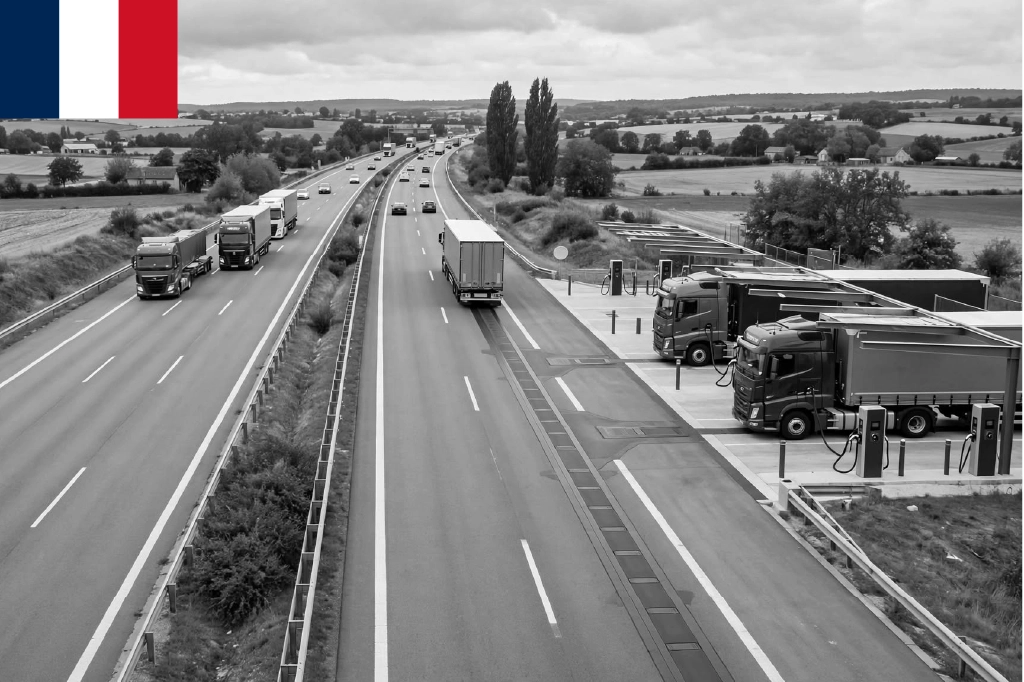
France Benchmarking: Developing Electric Road Systems for Freight
France is evaluating Electric Road Systems as a potential solution for decarbonising long-distance road freight. Its approach combines conventional high-power charging infrastructure with research into dynamic road electrification, particularly for heavy-duty vehicles travelling on major motorway corridors.
French studies have examined large-scale ERS deployment scenarios, providing useful benchmarks for infrastructure investment, corridor planning and the electrification of freight transport.
- Key Benchmarking Insights
- 2030 ERS Scenario: ~4,837 KM
- Estimated Infrastructure Cost: ~₹51.7 Cr per KM
- Demonstration / Pilot: ~2 KM
- Primary Technology: Dynamic Electric Road Systems
- Focus: Electric Heavy Trucks
- Key Corridors: Major French Motorway Freight Routes
Quick Facts
Country: India
Target: 5,500 KM E-Highways
Key Corridors: Bharatmala & Sagarmala highway corridors
Primary Technology: 3G Charging Stations + integrated E-Highway infrastructure
Average Cost: ~₹1 Cr per KM
Active / Trialled Network 830 KM
Supported Vehicles: Electric Cars, Buses, Trucks & Commercial Vehicles
Funding Model: Hybrid public-private infrastructure model
Benchmark Purpose: Integrated national E-Highway development
Quick Facts
Country: United States
Target: 8,000 KM E-Highway infrastructure by 2030
Key Corridors: Interstate Highway Network
Primary Technology: High-Power DC Fast Charging
Average Cost: ~₹20 Cr per KM
Active Network: ~1,300 KM
Supported Vehicles: Passenger EVs & Electric Trucks
Funding Model: Public infrastructure investment + private charging networks
Benchmark Purpose: Global reference for large-scale highway EV charging
Quick Facts
Country: Germany
Target: 4,000 KM E-Highways by 2030
Key Corridors: A5 Autobahn & B462 Highway
Primary Technology: Overhead Electrification
Average Cost: ~₹22 Cr per KM
Active E-Highway: ~25.4 KM
Supported Vehicles: Scania Electric & Hybrid Trucks
Funding Model: Government-supported demonstration programmes
Benchmark Purpose: Global reference for E-Highway freight electrification
Quick Facts
Country: Sweden
Target: ~2,000 KM Electric Roads under earlier national ambition
Key Corridors: E20 & demonstration corridors
Primary Technology: Conductive Dynamic Charging
Average Cost: ~₹10–13 Cr per KM
Active Demonstration: ~1.6 KM Smartroad Gotland
Supported Vehicles: Electric Trucks & Buses
Funding Model: Government-supported demonstration programmes
Benchmark Purpose: Global reference for dynamic road electrification
Quick Facts
Country: France
2030 Scenario: ~4,837 KM ERS Network
Key Corridors: Major Motorway Freight Routes
Primary Technology: Dynamic Electric Road Systems
Estimated Average Cost: ~₹51.7 Cr per KM
Demonstration: ~2 KM pilot-scale deployment
Supported Vehicles: Electric Heavy Trucks
Funding Model: Government studies + public-private demonstration projects
Benchmark Purpose: Reference for large-scale electric freight corridors